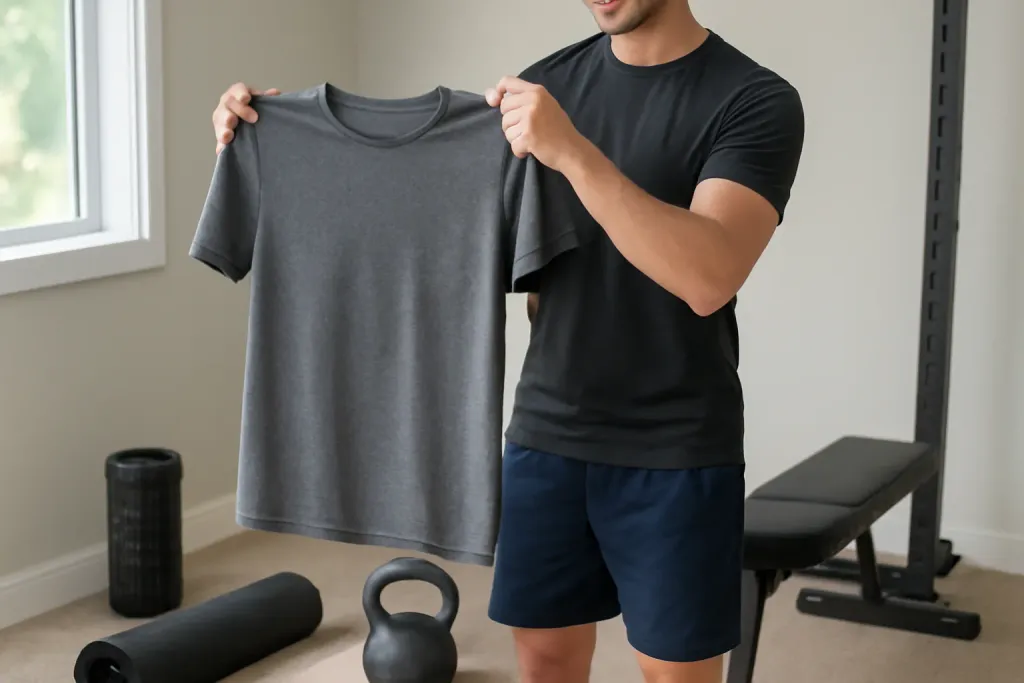
Why Sizing Matters for Moisture-Wicking Shirts
Choosing the right fit matters because a moisture-wicking shirt works best when it feels comfortable during movement and everyday use. For families, school programs, and recreational sports, the goal is usually simple: a shirt that lets the wearer move freely, layer easily, and stay comfortable through practice, class, or casual activity.
Moisture wicking shirt sizing is not just about matching a number on a tag. A shirt that is too tight may feel restrictive, ride up, or cling more than expected. A shirt that is too loose may bunch under uniforms or outer layers. Either way, poor fit can make a basic shirt feel distracting.
Because these shirts are often worn by kids, teens, and adults in different settings, it helps to think about what the shirt will be used for. A PE class shirt may need a little more room for movement. A team practice shirt may need to fit well under other gear. A family walking shirt may simply need to feel easy and familiar. The right size depends on the wearer, the activity, and personal comfort preferences.
Start with the Size Chart, Then Check the Details
The most reliable first step is to use the seller’s size chart rather than assuming a usual size will work. Size labels can vary across brands, and moisture-wicking fabrics can fit differently from cotton shirts. A chart gives you a starting point based on chest, length, and sometimes shoulder measurements.
When comparing charts, look for the measurements that match the wearer best:
Chest or bust measurement for overall torso fit
Shirt length if the wearer is tall or has a longer torso
Shoulder width if sleeves tend to feel tight or drop too low
Youth and adult sizing distinctions, since they are not interchangeable
It also helps to read the product description for fit notes such as slim, regular, relaxed, or athletic. Those words can give a helpful clue, especially for shoppers who are buying online and cannot try the shirt on first. If the chart and the fit note seem to point in different directions, use the chart as the main reference and the fit note as a general guide.
How to Measure at Home
Simple at-home measurements can make moisture wicking shirt sizing easier for the whole household. Use a soft measuring tape if possible, and measure over light clothing or directly against the body for the most consistent result.
Chest or bust: Wrap the tape around the fullest part of the chest, keeping it level and snug but not tight.
Waist: Measure around the natural waistline if the size chart asks for it.
Torso length: For taller wearers or anyone who dislikes short shirts, measure from the top of the shoulder to the desired hem point.
Shoulders: If the chart includes shoulder width, measure across the back from one shoulder edge to the other.
For children, it is useful to compare body measurements with a shirt they already wear comfortably. Lay the shirt flat and measure across the chest and from shoulder to hem. This can help if the child is between sizes or prefers a looser school or activity shirt.
Keep in mind that measurements are only part of the picture. Some wearers like a closer fit for layering, while others want extra room for comfort. A shirt that matches the chart may still feel different depending on fabric stretch and cut, so a little flexibility is normal.
Fit Considerations for Kids, Teens, and Adults
Different age groups often need different sizing priorities. For children, the main concern is usually comfort and room to move. Kids grow quickly, so a shirt that is slightly roomy may work better than one that fits exactly today and becomes too small soon. Still, it should not be so large that sleeves slide over the hands or the hem gets in the way during activity.
For teens, fit preferences can change quickly. Some want a closer athletic look, while others want a looser everyday fit. If the shirt will be used for school, practice, or casual wear, consider whether the wearer needs one size for layering and another for warm-weather use.
Adults shopping for family activities or volunteer coaching often need a balance between comfort and appearance. A shirt that is too fitted can feel less comfortable when bending, lifting, or moving around all day. A shirt that is too loose may feel bulky under jackets, aprons, or outer layers. If the shirt is for PE instruction, field supervision, or family outings, a regular or relaxed fit is often easier to wear for longer periods.
In every age group, the best fit is the one that supports the intended use without creating distractions. The same size may not work the same way for everyone, even within a single household.
Browse our recommended gear
Our featured picks refresh periodically. While we update them, our editorial guides can help you find the right gear.
See our guidesHow Fabric and Stretch Affect the Fit
Moisture-wicking shirts are not all built the same way. Some fabrics feel soft and flexible, while others feel smoother or a bit more structured. That difference can affect how a shirt fits when worn. Even when the size chart is accurate, the same size may feel snug in one fabric and easier in another.
If a shirt contains stretch, it may allow more ease through the chest and shoulders. If it is made with a less stretchy fabric, a size that looks correct on paper may feel closer on the body. This is why many shoppers pay attention not only to size but also to fabric description and fit style.
Think about the garment’s role in the wardrobe:
For layering under uniforms or jackets, a closer fit may be helpful
For gym class or active play, a little extra ease can improve comfort
For casual wear, the preferred fit may depend on personal style
Fabric also affects how a shirt drapes. A lightweight shirt may fall differently than a thicker one, even in the same size. When comparing options online, try to keep the fabric description in mind so the shirt does not surprise you once it arrives.
Common Sizing Mistakes to Avoid
One of the most common mistakes is buying the same size as a favorite cotton T-shirt without checking the chart. Moisture-wicking shirts can be cut differently, and the fit may not match what someone expects from a regular tee. Another common issue is choosing a size based only on age rather than measurements, especially for children and teens.
Other mistakes include:
Ignoring product fit notes such as slim or relaxed
Forgetting to account for layering
Choosing a size that is too small because the wearer wants a neater look
Choosing a size that is too large in hopes it will last longer, then finding it awkward to wear
It is also easy to overlook length. A shirt can fit well through the chest but still feel short when arms are raised or when the wearer bends over. For families buying for school, camp, or sports, length is worth checking because comfort matters just as much as the number on the tag.
If you are between sizes, the right choice depends on how the shirt will be worn. For a closer fit under other gear, the smaller option may work if the chart allows it. For all-day comfort or growing kids, the larger option may be more practical. There is no single answer, but there is usually a better fit for the specific use.
Online Shopping Tips for Better Fit Decisions
Online shopping makes it easy to compare styles, but it also means you cannot try the shirt on before buying. To improve the odds of a good fit, start by reviewing the size chart, then read the fit description carefully. If the listing includes model information, treat it as a general reference only, not a guarantee of fit for your household.
Look for details that help you compare against shirts already owned:
How the shirt is intended to fit: slim, regular, or relaxed
Whether the fabric has stretch
Whether the shirt is designed for layering
Any notes about youth versus adult sizing
It can also help to measure a favorite shirt at home and compare those numbers to the listing. This approach is useful for parents buying for growing children and for coaches or teachers ordering multiple shirts for a group. If two sizes seem possible, consider the return policy before deciding, since fit can vary from brand to brand.
For group orders, consistency matters. Writing down measurements and chosen sizes can prevent confusion when ordering for a team, class, or club. A simple record saves time and reduces the chance of duplicate mistakes.
What a Good Fit Should Feel Like
A well-sized moisture-wicking shirt should feel easy to wear from the moment it is put on. The neckline should sit comfortably, the shoulders should line up reasonably well, and the sleeves should not pinch or slide too far down. The shirt should allow natural movement without feeling overly loose or overly tight.
For many families, a good fit means the shirt stays in place during normal activity, works under other layers if needed, and feels comfortable during a full day of wear. It does not need to look identical on every body type. Comfort, coverage, and intended use are more important than a single ideal shape.
If the shirt feels a little different from what was expected, check these questions:
Can the wearer lift both arms comfortably?
Does the hem stay long enough during movement?
Does the shirt feel usable for the intended activity?
Would a different size or fit style solve the issue better?
Sometimes the best choice is not the smallest or the largest size, but the one that fits the way the shirt will actually be worn. That is especially true for beginners, kids, and anyone buying for school or family activities rather than fashion alone.