Quick answer: what to buy for backyard practice
Start with what you will use weekly: a pump with a gauge so balls are always ready, a small cone set, and a youth agility ladder with rung spacing scaled for a child. Add a rebounder or target net only when your child has a sport and the space. These tools make practice more fun and give more repetitions; our guides do not claim they make a child faster or stronger. See the ladder and cone guide, pumps and gauges and rebounders.
Shop sports gear on Amazon
SponsoredAs an Amazon Associate, FindSportsUSA earns from qualifying purchases. See our affiliate disclosure.
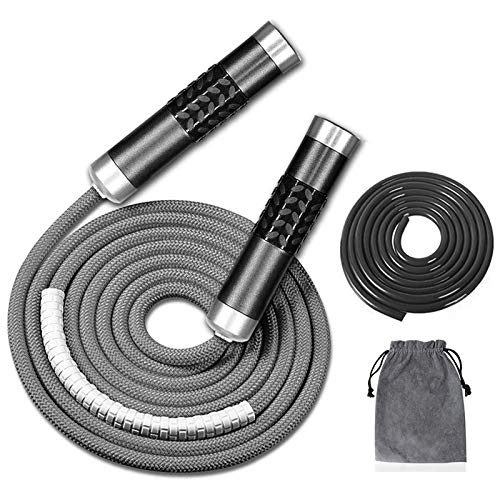
BOOMIBOO Jump Rope, Adjustable Jump Ropes,Skipping Rope Tangle-Free Rapid Speed with Ball Bearings for Women Men Kids,Exercise & Slim Body Jumprope at Home School Gym
$5.99
View on Amazon (BOOMIBOO Jump Rope, Adjustable Jump Ropes,Skipping Rope Tangle-Free Rapid Speed with Ball Bearings for Women Men Kids,Exercise & Slim Body Jumprope at Home School Gym)Jump Rope, Tangle-Free Rapid Speed Jumping Rope Cable with Ball Bearings for Women, Men and Kids, Adjustable Foam Handles Steel Jump Ropes for Fitness
$9.99$8.49
View on Amazon (Jump Rope, Tangle-Free Rapid Speed Jumping Rope Cable with Ball Bearings for Women, Men and Kids, Adjustable Foam Handles Steel Jump Ropes for Fitness)X-UMEUS Agility Ladder Speed Training Equipment Set-20ft Agility Ladder,12 Soccer Cones,4 Hurdles, Jump Rope, Running Parachute| Basketball Football Soccer Training Equipment for Kids Youth Adults
$39.95$33.95
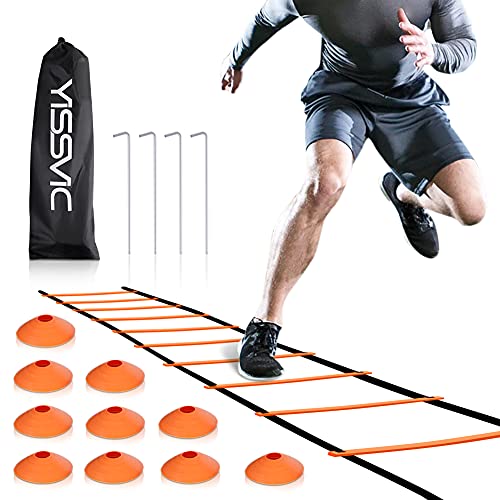
View on Amazon (X-UMEUS Agility Ladder Speed Training Equipment Set-20ft Agility Ladder,12 Soccer Cones,4 Hurdles, Jump Rope, Running Parachute| Basketball Football Soccer Training Equipment for Kids Youth Adults)2 Pack 20ft Agility Ladder Set, 40ft Total Adjustable Speed Ladder | Parallel Footwork Drills Workout Gear for Basketball Football Soccer Training Equipment with 12 Cones, 8 Stakes, 1 Carry Bag
$33.99$18.99
View on Amazon (2 Pack 20ft Agility Ladder Set, 40ft Total Adjustable Speed Ladder | Parallel Footwork Drills Workout Gear for Basketball Football Soccer Training Equipment with 12 Cones, 8 Stakes, 1 Carry Bag)NKJIH 20ft Adjustable Agility Speed Ladder Training Ladder with Carry Bag - Soccer, Speed, Football Fitness Feet Training - Agility Training Equipment for Footwork Drills(Yellow)
$9.99$8.99
View on Amazon (NKJIH 20ft Adjustable Agility Speed Ladder Training Ladder with Carry Bag - Soccer, Speed, Football Fitness Feet Training - Agility Training Equipment for Footwork Drills(Yellow))5-Level Resistance Bands for Working Out, Pull Up Assistance Bands | 5-125 LBS Resistance, Fitness, Full-Body Training, Stretch Workout, for Men, Women, Home, Outdoor, Gym Use
$19.99$16.99
View on Amazon (5-Level Resistance Bands for Working Out, Pull Up Assistance Bands | 5-125 LBS Resistance, Fitness, Full-Body Training, Stretch Workout, for Men, Women, Home, Outdoor, Gym Use)Tialero 42/84Pcs Soccer Cones Set, 12Pcs 7" Cones Sports with 30Pcs Disc Cones & Mesh Bag, Soccer Cones for Training, Cones for Sports Training, Soccer Training Cones(42 Packs, Multicolor)
$14.99
View on Amazon (Tialero 42/84Pcs Soccer Cones Set, 12Pcs 7" Cones Sports with 30Pcs Disc Cones & Mesh Bag, Soccer Cones for Training, Cones for Sports Training, Soccer Training Cones(42 Packs, Multicolor))


Prices and availability were accurate when retrieved from Amazon and may change. Retrieved Nov 22, 2026.
Training accessories at a glance
Training accessories are the small items that turn a driveway, a garage or a school gym into a place to practice: cones to mark a course, an agility ladder for footwork, hurdles for rhythm, a pump so every ball is ready, and nets or rebounders that return a ball so a child can practice alone. They are inexpensive compared with team gear, which is also why it is easy to buy too many.
The advice on this page is deliberately plain. Recreational practice is about movement confidence, repetition and fun. We do not say any of these items improves speed, strength or injury risk, and our guides say so where it matters. What we can do is tell you what each item is for, what to compare, and what tends to go wrong.
| Item | What it is for | What to compare | Our guide |
|---|---|---|---|
| Agility ladder | Footwork patterns on the ground, one foot or two per section | Rung material (flat webbing or rigid plastic), youth rung spacing, stakes for grass | Ladders and cones |
| Cone set | Boundaries, stations, zigzag runs | Small low-profile cones (about 2 to 6 inches) and 8 to 12 of them for most backyard patterns | Ladders and cones |
| Hurdles | Rhythm and step-over work | Start low and raise in small steps; the drill matters as much as the age | Hurdle height |
| Pump, gauge and needles | Keeping every ball at its printed pressure | A gauge in PSI (or bar), needles that fit the valve | Pumps and needles |
| Target net or rebounder | Solo throwing or kicking practice | Frame, mesh weight, size for your space, anchoring | Target nets |
| Clamp-on table-tennis net | A temporary table for indoor play | Clamp opening, table edge, net height about 6 inches | Table-tennis nets |
Agility ladders, cones and hurdles
An agility ladder is a flat, flexible ladder you lay on the ground and step through. Youth ladders usually have shorter rung spacing than adult ones, because a young child's stride is shorter and an adult-length square forces an awkward stretch. Total lengths run from about 10 to 15 feet with 8 to 12 rungs, and a 10 to 12 foot ladder is a practical, easy-to-store default for most backyards. Flat webbing rungs lie flush and roll up small, rigid plastic rungs hold their shape better on uneven ground. On grass or soft dirt, stakes at the ends keep a ladder from sliding.
Our beginner drill guide teaches four patterns, one at a time: one foot in each section, two feet in each section, in-and-out steps and side steps. Show a pattern once, let the beginner try it slowly, and add speed only when the sequence looks familiar. Short cues work best, such as "look forward", "light steps" and "one section at a time".
Clear the area
Lay the ladder flat on a stable surface and clear toys, loose balls and hoses. Space children out if more than one is working.
Teach one pattern
Start with one foot in each section. Add the next pattern only when the first looks comfortable.
Keep it short and playful
Short sessions are easier for children to follow. Our guide treats ladders as a coordination game, not a training program.
Hurdles follow the same logic. There is no single correct height: the hurdle should fit the child, so start low, watch whether the child approaches with confidence and finishes the drill without repeated stops, and raise it in small steps. Age is a starting point. Elementary-aged beginners generally start with low settings; older recreational players have more room to vary if their skill supports it. For a basic step-over drill choose a lower hurdle; for rhythm work a moderate one. See choosing hurdle height and beginner ladder drills.