Quick answer: how to choose kids' sports shoes
The playing surface decides. Cleats usually suit natural grass; turf shoes usually suit artificial turf, hard-packed fields and some indoor spaces. Measure both feet, use the larger one, and leave a small space past the longest toe, not a big gap. Ask the league or coach about field guidance before you buy. See turf shoes vs cleats, sizing for a growing foot and youth football cleats.
Shop sports gear on Amazon
SponsoredAs an Amazon Associate, FindSportsUSA earns from qualifying purchases. See our affiliate disclosure.
ZERULETS Kids Socks, 20 Pairs Boys Girls Low Cut Ankle Socks 4-7 Years | Short School Athletic Socks for Toddler, Soft, Breathable, White, Black, Grey, Fit for Daily, Casual, Sport
$11.99$9.49
View on Amazon (ZERULETS Kids Socks, 20 Pairs Boys Girls Low Cut Ankle Socks 4-7 Years | Short School Athletic Socks for Toddler, Soft, Breathable, White, Black, Grey, Fit for Daily, Casual, Sport)Amazon Essentials Boys' Cushioned Athletic Crew Sports Socks for School Kids, 10 Pairs, White With Color Stripe/White With Grey Heather Heel, Toe, Medium (4-8 Years)
$12.60
View on Amazon (Amazon Essentials Boys' Cushioned Athletic Crew Sports Socks for School Kids, 10 Pairs, White With Color Stripe/White With Grey Heather Heel, Toe, Medium (4-8 Years))Looknniy 20 Pairs Crew Athletic Socks for Kids Breathable Cushion Crew Socks for Kids Sport Running Traveling (US, Alpha, One Size, Regular, 20 Pairs 9-12Y Multicolor)
$14.99
View on Amazon (Looknniy 20 Pairs Crew Athletic Socks for Kids Breathable Cushion Crew Socks for Kids Sport Running Traveling (US, Alpha, One Size, Regular, 20 Pairs 9-12Y Multicolor))Skerxut Soccer Cleats, Kids Firm Ground Football Shoes, Boys Girls Athletic Outdoor (Black/Blue, Big Kid, 1, Numeric, US Footwear Size System, Medium)
$19.99$17.99
View on Amazon (Skerxut Soccer Cleats, Kids Firm Ground Football Shoes, Boys Girls Athletic Outdoor (Black/Blue, Big Kid, 1, Numeric, US Footwear Size System, Medium))




Prices and availability were accurate when retrieved from Amazon and may change. Retrieved Nov 22, 2026.
Sports footwear by surface
Kids outgrow shoes fast, so footwear is the part of a kit where fit and surface matter more than brand. A shoe that is too small cramps the toes within weeks; one that is too big slips and makes a child curl their toes to keep it on. And the best shoe for one field can be the wrong shoe for another. This hub covers the two decisions parents actually face: which type for the surface, and which size for a growing foot.
| Surface | Usually suits | Ask first |
|---|---|---|
| Natural grass (outdoor soccer or football) | Cleats with a studded outsole | The league or coach's field guidance |
| Artificial turf | Turf shoes, many smaller contact points | Whether the facility allows studs |
| Hard-packed fields and playground-style areas | Turf shoes | Facility rules |
| Indoor soccer spaces | Turf shoes, depending on rules | The facility's rules |
These are starting points from our guides, not rules. Leagues and facilities decide what is allowed, so their guidance beats ours.
Turf shoes vs cleats for soccer
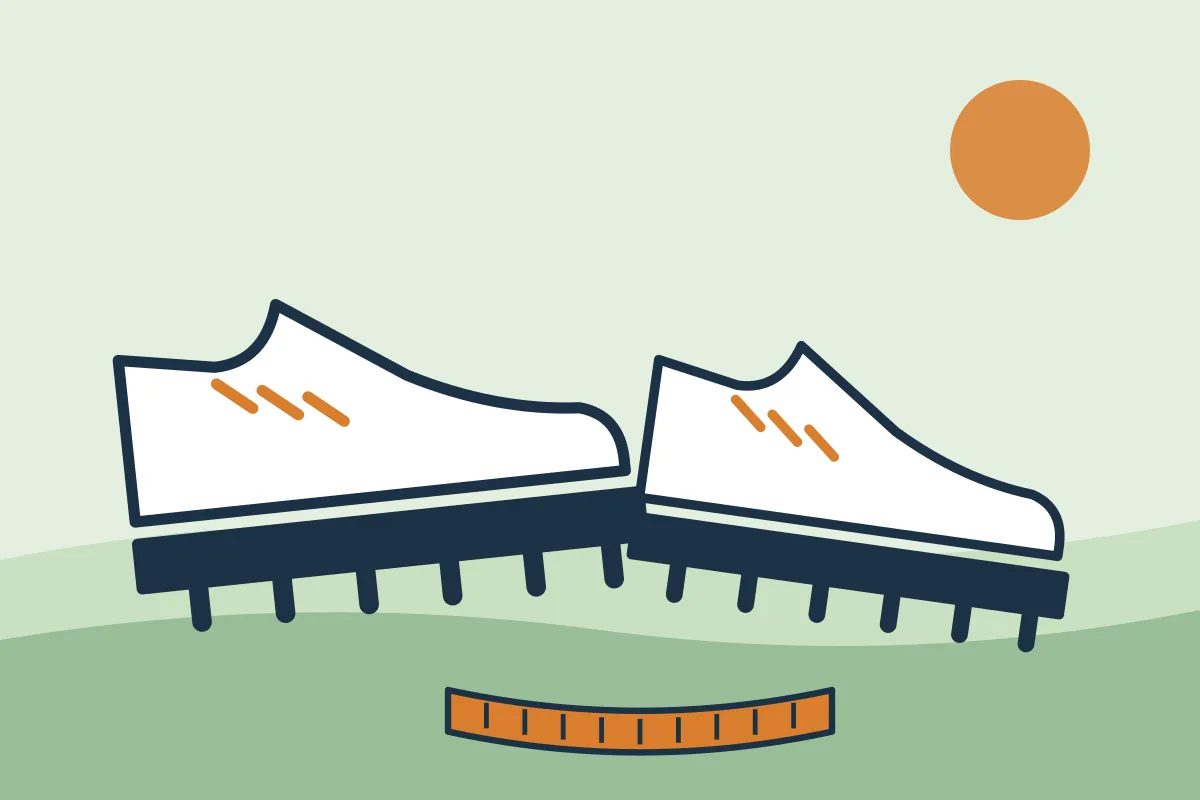
Turf shoes have many smaller contact points instead of fewer tall studs, so they feel more stable on short-pile synthetic surfaces. They look closer to a sneaker than a classic cleat, which can feel familiar to a beginner still learning to run, stop and turn in soccer footwear. Cleats are the familiar choice for outdoor grass, and joining a league that plays games on grass often means being asked to buy them. Not every cleat is meant for the same surface: some are for firm natural grass, others for softer fields.
| Turf shoes | Cleats | |
|---|---|---|
| Outsole | Many smaller contact points | Fewer, taller studs |
| Best surface | Artificial turf, hard-packed, some indoor | Natural grass |
| Feel | Close to a sneaker; familiar to beginners | The traditional soccer feel on grass |
| Before you buy | Check facility rules | Check league and coach guidance |
If your child plays on both grass and turf, ask the coach which surface they will use most. Read the full comparison in turf shoes vs cleats for youth soccer, and see the rest of the sport in our soccer hub.