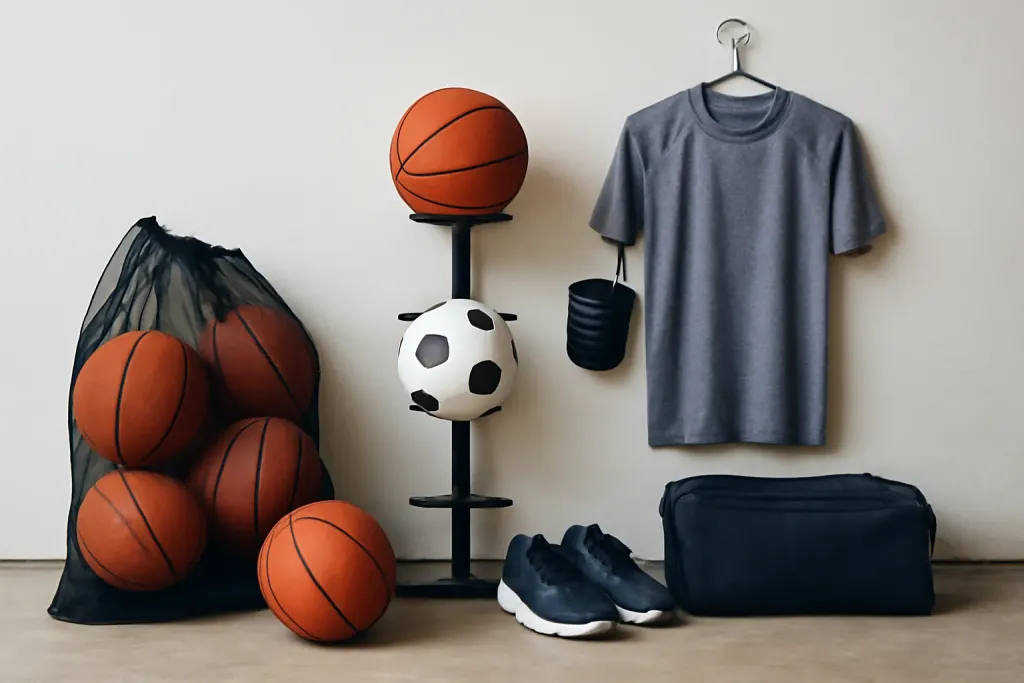
Why ball pressure checks matter
If you are wondering how often to check ball pressure, the short answer is: often enough that the ball feels consistent every time you use it. Ball pressure affects how a ball handles, bounces, rolls, and passes. When pressure drifts too low or too high, the ball can feel different from one practice or play session to the next.
For families, beginners, and volunteer coaches, the goal is not perfection. It is consistency. A ball that is checked regularly is easier to hand to a child at the park, set out for gym class, or bring to a weekend game. Small checks also help you avoid the common surprise of pulling out a ball only to find it feels flat or overly firm.
The exact timing depends on the sport, the ball type, how often it is used, and where it is stored. A ball used indoors may hold pressure differently than one used outdoors, and a ball that travels in and out of different temperatures may need more frequent attention. That is why a routine matters more than a one-time check.
A simple general rule for families and coaches
As a general habit, check ball pressure before the first use of the day or before each practice session when the ball is important to the activity. For casual family play, that may mean a quick check each time you take the ball out of the closet or garage. For organized recreation, it can mean checking the ball before practice, recess, or gym class starts.
If you use a ball only once in a while, checking it before use is usually enough. If the ball is part of a weekly routine, a weekly pressure check is a practical baseline. If the ball is used several times a week, a pre-use check is better. This keeps the routine simple and helps everyone know what to expect.
A good rule for beginners is to start by checking the ball more often than you think you need to. Over time, you will learn whether that specific ball stays steady or tends to drift. Once you know the pattern, you can settle into a schedule that fits your household, class, or team.
How often to check by sport and ball type
Different sports call for different habits. A basketball that stays indoors may hold pressure well, but a playground ball used by many hands may need more frequent attention. Soccer balls, footballs, volleyballs, and kickballs can all lose pressure gradually, especially with frequent use or changing temperatures.
- Basketballs: Check before regular play, especially if the ball is used in a school, rec center, or family setting where many people handle it.
- Soccer balls: Check before practices, games, or weekend play. If the ball is stored in a cold garage or hot trunk, check it more often.
- Footballs: Check before use, since grip and feel matter to how the ball is handled during casual throwing or games.
- Volleyballs: Check before gym class, open gym, or recreational play so the ball feels the same for serving, passing, and setting.
- Kickballs and playground balls: Check on a regular schedule, especially if they are used by children of different ages.
There is no single schedule that fits every ball. The best approach is to match the check to the use. If a ball is central to the activity, check it before that activity begins. If it is a backup ball, a weekly or monthly check may be enough.
What changes ball pressure over time
Ball pressure does not usually stay exactly the same forever. Small changes happen for normal reasons. Air can slowly seep out over time, especially if the ball is used often or stored for long periods. Temperature changes can also affect how the ball feels. A ball that was fine indoors may feel different after being left in a cold car or a warm shed.
Frequent handling can matter too. If a ball is used several times a week, it is more likely to need checking than a ball that comes out only for occasional family play. Storage also plays a role. Balls kept in a stable indoor space usually stay more predictable than balls stored in places with large temperature swings.
Because of these changes, it helps to think in terms of habits rather than emergencies. A pressure check is simply part of caring for the equipment, like making sure the ball is clean and stored where it will not get damaged. The more regular the routine, the less likely you are to be caught off guard.
Browse our recommended gear
Our featured picks refresh periodically. While we update them, our editorial guides can help you find the right gear.
See our guidesHow to build a practical check routine
The easiest routine is one that fits into something you already do. For example, you might check the ball when you gather gear before leaving home, when you unpack equipment for practice, or when you put balls away after play. The key is to choose a trigger that happens often enough to keep the ball ready.
- Pick one time to check: before use, after storage, or on a set day each week.
- Use the same gauge, pump, or pressure tool each time if possible.
- Compare the feel of the ball against your usual standard.
- Adjust only when the ball clearly needs it.
- Store the ball in a place that stays as consistent as possible.
For parents and volunteer coaches, a shared routine is especially useful. If several adults may handle the equipment, decide who checks the ball and when. That prevents confusion and reduces the chance of double-checking one day and forgetting the next.
If children help with equipment, keep the process simple. A basic routine can be part of cleanup time or pre-practice setup. The goal is to make ball pressure checks normal, not complicated.
Signs a ball needs checking sooner
Even with a regular schedule, some signs mean you should check pressure sooner. If a ball looks noticeably softer, feels harder than usual, or bounces and rolls differently than expected, it may be time to inspect it. If the ball has been stored in a hot or cold place, checking it before play is a good idea.
You may also want to check a ball after travel, after long storage, or after heavy use. School equipment, community gear, and family balls often get handled by many people, so a quick check before the next session can save time and frustration.
If you are not sure whether the ball needs adjustment, compare it to the last time it felt right. Consistency matters more than chasing a perfect number every time. For many households and recreational settings, the practical question is simply whether the ball feels ready for normal play.
Storage and maintenance tips that support steady pressure
Good storage makes pressure checks easier because the ball is less likely to drift. Keep balls out of extreme heat or cold when possible, and avoid leaving them for long periods in places like a car trunk, unheated garage, or direct sun. A stable indoor space is usually a better option for long-term storage.
It also helps to keep balls and pumps together so checking pressure does not become a hunt for missing gear. A small bin, shelf, or equipment bag can make the routine faster for families and coaches. If you use multiple balls, label or group them so you can tell which ones are checked and which ones still need attention.
Regular visual checks are useful too. Look for obvious wear, dirt around the valve, or damage that may make pressure harder to maintain. If a ball is difficult to keep at the right pressure even after repeated checks, it may need closer attention or replacement later on, but that is a separate decision from the routine itself.
Simple schedules you can actually follow
If you want a straightforward answer to how often to check ball pressure, start with one of these easy schedules and adjust based on use:
- Casual family play: Check before use.
- Weekly recreational use: Check once a week and before any longer session.
- School or gym equipment: Check on the day of use, especially if different groups share the balls.
- Multi-sport household: Check before each sport-specific outing or practice.
- Stored backup balls: Check on a monthly basis and before first use.
These schedules are simple on purpose. They are meant to help beginners and busy adults keep equipment ready without turning ball care into a project. The best schedule is the one you can actually repeat.
If your routine starts to feel automatic, that is a good sign. It means the ball is more likely to be ready when the kids are ready, the class is lined up, or the game is about to begin. That reliability is often the main reason to keep checking on a regular basis.