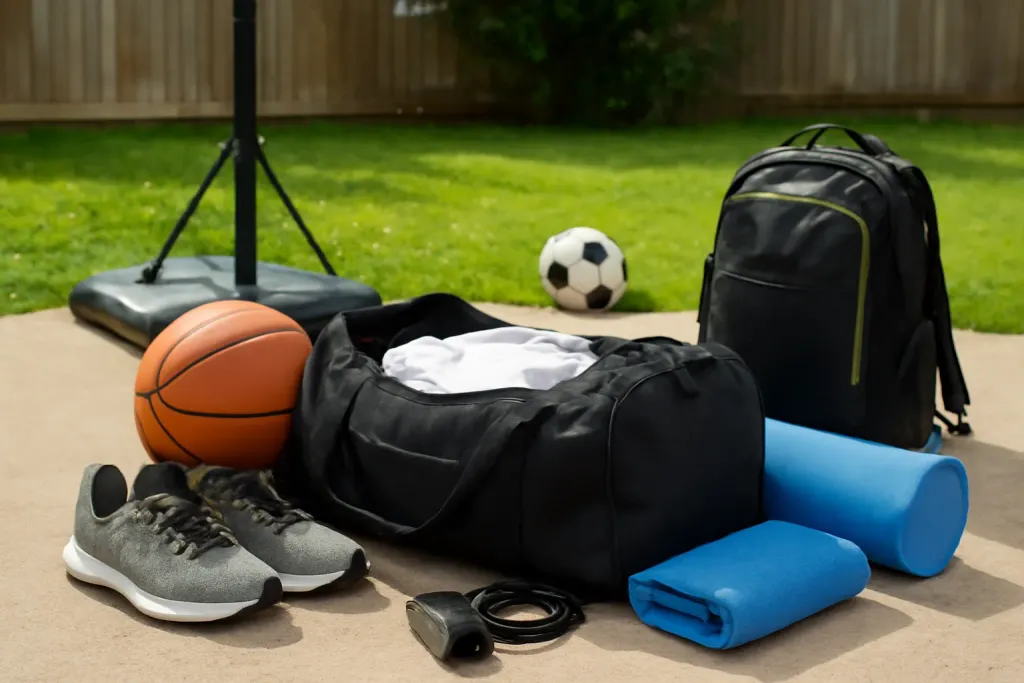
Why a Basic Multi-Sport Bag Helps
A basic multi-sport equipment bag is one of the simplest ways to stay ready for practices, rec games, gym class, and weekend activities. Instead of packing from scratch every time, you keep a core set of items in one place and add sport-specific gear as needed. That approach saves time, reduces forgotten items, and makes it easier for parents, volunteer coaches, and PE teachers to manage busy schedules.
The goal is not to create a giant “everything” bag. The better approach is to build a flexible system that covers the most common needs across several sports. For many families, that means thinking in layers: a shared base kit, a few sport-specific add-ons, and a simple routine for restocking after each use. When the setup is organized, the bag becomes less about gear overload and more about being prepared.
This is where multi sport equipment bag basics matter. A good bag should be easy to carry, easy to open, and easy to check before leaving home. If the contents are visible and grouped logically, a child or adult can find what they need quickly. That matters on crowded fields, in school gyms, and in parking lots where time is limited and attention is split.
For families with more than one athlete, a multi-sport bag can also prevent duplicate purchases. Instead of buying separate storage for each activity, you can build one dependable setup and adjust the contents as seasons change. The result is a practical, lower-stress system that works for casual sports participation rather than a specialized gear collection.
Choose the Right Bag Style
The best bag is the one that fits the way you actually move. A duffel-style bag is often the easiest starting point because it opens wide and can hold a mix of soft and hard items. A backpack may work better for smaller loads, especially when kids need to carry their own gear. Some families prefer a rolling bag when they are transporting larger amounts of equipment for multiple players or team duties.
Look for a bag with a few simple features rather than a long list of extras. A wide main compartment makes packing easier. Exterior pockets can separate small items like whistles, hair ties, tape, or scorecards. A water-resistant lining or wipeable interior can be helpful for wet clothes and field dirt, though no bag is completely maintenance-free. Sturdy handles and a comfortable shoulder strap also matter if the bag will be carried often.
Size should match the job. If the bag is too large, people tend to overpack and lose track of what is inside. If it is too small, the contents get crammed together and become hard to find. For a basic multi-sport setup, a medium-sized bag is often enough for personal gear, while larger team-related supplies may need a separate storage bin or coach’s tote.
Think about who will use the bag most often. A younger player may need a lighter, simpler bag with fewer pockets. An adult coach may want more compartments for clipboards, markers, extra balls, or lineup sheets. PE teachers and rec-league volunteers may also benefit from a bag that can be set down quickly and repacked without confusion.
Start With Core Items Everyone Can Use
A sensible starting point is to pack items that are useful across many sports and activity settings. These core pieces form the base of the bag and help you avoid scrambling before each practice. The exact mix will vary by household, but the idea is to keep common necessities together.
- Reusable water bottle
- Small towel or hand towel
- Extra socks
- Hair ties or headbands, if needed
- Light snack for after activity, if allowed and appropriate
- Hand sanitizer or wipes
- Tissues
- Notepad and pen for adults
- Emergency contact card for younger children
For many families, a change of clothes is also a smart addition, especially when multiple activities happen in one day. That might include a T-shirt, shorts, and socks in a sealed pouch or separate zipper bag. If footwear is likely to get muddy or sweaty, a spare plastic or mesh bag can keep used items apart from clean ones.
The point of a core kit is simplicity. If a bag holds only the basics, it is easier to check, clean, and rebuild. That also makes it easier for kids to learn responsibility. They can see what belongs in the bag and notice when something is missing.
Add Sport-Specific Gear Without Overpacking
Once the basic kit is set, add only the sport-specific items that are truly needed for the current season or activity. This keeps the bag relevant without turning it into clutter. A soccer day may call for shin guards and an extra pair of socks, while a basketball day may need a mouthguard if that is required by the activity rules. A baseball or softball bag might include batting gloves, a cap, or a small brush for dirt, depending on the player’s needs.
It helps to separate this part of the setup into small pouches or containers. One pouch can hold game-day accessories, another can hold hygiene items, and another can hold paperwork or forms. By grouping items this way, you avoid mixing everything into one large pocket. That structure is especially useful for families juggling more than one child or more than one sport in the same week.
Keep seasonal gear in mind. Cold-weather activities may require gloves, a hat, or an extra layer, while warm-weather outings may call for sunscreen, a cooling towel, or extra water. Because needs change through the year, the bag should not stay fixed forever. A quick monthly review can help remove items that are no longer useful and add items that are in season.
For volunteer coaches, a separate set of shared supplies can make practices easier to run. Items such as balls, cones, a whistle, a clipboard, and a roster sheet should usually live in a coach-specific section or companion bag rather than in a child’s personal equipment bag. That distinction keeps personal gear from getting buried under team supplies.
Browse our recommended gear
Our featured picks refresh periodically. While we update them, our editorial guides can help you find the right gear.
See our guidesUse Simple Organization That Kids and Adults Can Follow
Organization works best when it is easy to remember. The more complicated the system, the less likely it is to hold up after a busy practice or game. A basic multi-sport equipment bag should use a few clear categories: personal gear, activity-specific gear, hygiene items, paperwork, and extras. If possible, each category should have its own pocket, pouch, or labeled zipper bag.
Color-coding can help, especially in family settings. For example, one color pouch might hold clothing extras, another might hold coach tools, and another might hold small personal items. Clear bags or mesh pouches are also useful because they let you see what is inside without opening everything. For younger children, visual organization is often easier than written labels alone.
Another helpful habit is packing in the same order every time. If water is always in the side pocket and paperwork is always in the front pocket, the routine becomes automatic. That consistency is especially valuable for families who leave early in the morning or move directly from school to sports.
A quick “before you leave” checklist can make a big difference. It does not need to be long. A few common checks are enough: water bottle, shoes or sport-specific gear, weather-appropriate layers, and any required forms. The idea is not to create pressure, but to prevent the most common last-minute misses.
Keep the Bag Clean and Ready to Repack
Clean gear is easier to manage, and so is a clean bag. Even a simple setup can become messy quickly if sweaty clothes, damp towels, or snack wrappers stay inside too long. After each use, it helps to empty the bag, air it out, and return only the items that belong there. That small reset can save a lot of time later.
Use washable pouches where possible so dirt or spills do not spread through the whole bag. If something is wet, let it dry before putting it back in storage when practical. For families on a tight schedule, even a brief airing-out period near a laundry area or mudroom can help keep odors and clutter from building up.
Set a regular restock time. Some families do this after every game; others prefer once a week. Either way, the key is consistency. Check for missing socks, empty bottles, used-up sanitizer, and paperwork that needs to be returned. If the bag is shared by more than one child, a quick name check can prevent gear from wandering from one activity to another.
Also consider where the bag lives at home. A dedicated spot by the door, in a hallway closet, or near a laundry basket makes it easier to remember and harder to misplace. If the bag has a fixed home, the packing routine becomes part of the household rhythm instead of an occasional scramble.
Build a Bag That Fits Family Life
The best version of a multi-sport equipment bag is the one that fits your actual routine. A family with one child in weekend rec sports may need a very different setup from a household with two students, a volunteer coach, and weekly PE support needs. The right system is flexible enough to adapt without becoming complicated.
Parents often benefit from making one bag for the athlete and a second smaller tote or pouch for adult responsibilities. That separate space can hold forms, game schedules, pens, and small supplies that do not belong with personal gear. It keeps adult items from disappearing into the bottom of the child’s bag.
For PE teachers and rec leaders, it can be useful to think in terms of transport and access. If supplies must be carried across a gym or field, lighter storage and quicker access matter more than decorative features. If the bag stays in one place during class or practice, easy sorting may matter more than portability. The best choice depends on how the bag will actually be used.
Families may also want to keep a small backup kit in the car for common oversights. That does not mean duplicating everything. It can be as simple as an extra bottle of water, spare socks, tissues, or a spare bag for wet items. A modest backup can reduce stress without creating more clutter.
A Final Checklist for the Basics
Before you buy or build a multi-sport bag, it helps to focus on the essentials. Start with a bag that is the right size, easy to open, and simple to carry. Add a few core items that work across sports, then layer in only the seasonal or activity-specific gear you actually need. Keep everything grouped so it is easy to check and repack.
- Choose a bag size that matches the user and the typical load.
- Pack a core kit with water, towel, socks, tissues, and small hygiene items.
- Add sport-specific gear only for the current season or activity.
- Use pouches or pockets to separate categories.
- Create a simple check-in and restock routine.
- Keep the bag’s home location consistent.
That is the heart of multi sport equipment bag basics: keep it simple, keep it flexible, and keep it easy to maintain. A well-planned bag does not need to be fancy to be useful. It just needs to help your family or team leave the house with the right gear, less stress, and fewer forgotten items.