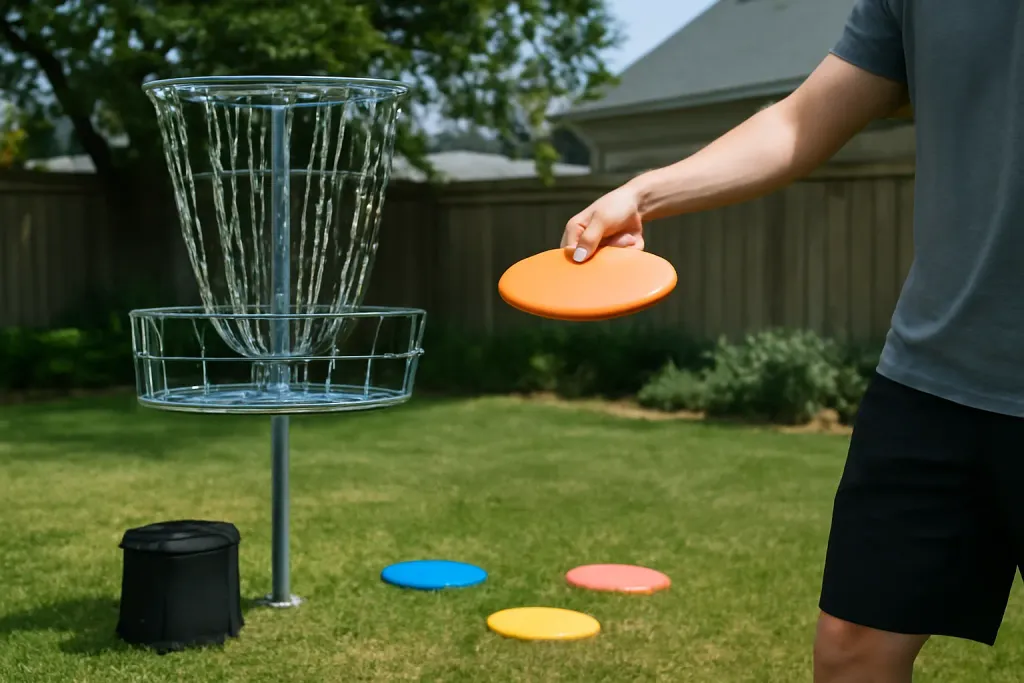
What Disc Golf Plastic Types Mean
When people talk about disc golf plastic types, they are usually describing how a disc feels in the hand, how it wears over time, and how it may behave in different weather. The plastic blend affects grip, firmness, glide, and durability, which are the main reasons one disc can feel very different from another even when the shape looks similar.
For families, beginners, recreational players, and school programs, the goal is not to find one “best” plastic for everyone. It is to match the disc to the player and the setting. A younger player may prefer something softer and easier to hold. A parent looking for a casual weekend set may value durability and simple consistency. A PE teacher may want discs that are easy to sort, label, and use across a group.
Manufacturers often use their own names for plastic blends, so the label on one brand may not mean the same thing on another. Even so, most disc plastics fit into a few broad ideas: baseline plastics, premium plastics, and specialty blends. Understanding those categories makes shopping less confusing and helps you compare discs in a practical way.
Baseline Plastics for Beginners
Baseline plastics are often the starting point for new players because they are usually simple to grip and easy to understand. They tend to feel less slick than many premium blends, which can help when learning how to hold and release a disc. For casual rounds, school settings, and family outings, that familiar feel can be a real advantage.
These plastics often show wear more quickly than premium options. That does not automatically make them worse. In fact, some players like how baseline discs season over time, since the disc may develop a more worn-in feel. For beginners, that can be useful because the disc may become more comfortable in the hand as time goes on.
Baseline plastics are often a smart choice for:
- New players who want a comfortable first disc
- Families buying a basic starter set
- Volunteer coaches who need affordable discs for group use
- PE teachers who want easy-to-identify practice discs
If a disc will spend time in backpacks, playground bins, or shared school equipment carts, baseline plastic is worth considering because it keeps the focus on learning the game rather than protecting a collector item.
Premium Plastics and Durability
Premium plastics are generally chosen when durability and a cleaner long-term appearance matter more than the soft, chalky feel of baseline blends. They often resist wear better and may hold their shape and finish longer with regular use. For families who want a disc that can stay in rotation for many rounds, premium plastic can be appealing.
Many recreational players like premium plastics for fairway drivers, control drivers, and other discs they plan to use often. The firmer, smoother feel may be less forgiving for brand-new players, but many people appreciate how consistent it feels once they get used to it. In a home or school setting, premium plastic can also be helpful when discs are shared across players, because the disc may keep its appearance and texture longer.
That said, premium does not mean perfect for everyone. Some premium blends can feel slicker, especially in damp weather or for smaller hands. Others may be a bit stiffer than a player expects. When choosing among disc golf plastic types, it helps to handle a few examples if possible and pay attention to how the rim feels, how much flex the plastic has, and whether the surface feels comfortable to hold for several throws in a row.
Grip, Flex, and Feel in the Hand
Grip is one of the first things most new players notice. Two discs with the same mold can feel very different if the plastics are not the same. Some plastics feel tacky or chalky, some feel smooth, and some have a firmer, more rigid feel. There is no universal answer for which is best because hand size, throwing style, and comfort preferences all matter.
Flex is another useful idea. Softer plastics may bend slightly when squeezed, which can make them feel easier to hold for some players. Firmer plastics can feel more stable in the hand, which some people prefer when they want a solid release. In family play, this often becomes a matter of trial and comfort rather than technical performance.
Consider the everyday setting as well. A player using discs on a cool morning may notice a different feel than during a warm summer afternoon. A disc that feels great indoors or in a dry living room might feel different on a humid field. For that reason, it is smart to think about the environments where the disc will be used most often.
Helpful questions to ask before buying include:
- Does the plastic feel comfortable when I grip it for a few seconds?
- Does the rim feel too slick, too stiff, or just right?
- Will children, beginners, or multiple users share this disc?
- Do I want a softer feel or a firmer one?
Browse our recommended gear
Our featured picks refresh periodically. While we update them, our editorial guides can help you find the right gear.
See our guidesWeather and Seasonal Considerations
Weather can influence how disc golf plastics feel, which is why many players end up with more than one type in their bag. In warmer conditions, some plastics may feel softer or more pliable. In cooler conditions, some may feel firmer or less flexible. That does not make one plastic universally better; it simply means comfort can change with the season.
For parents and teachers, this matters because kids and casual players may be sensitive to how a disc feels on a cold or windy day. If a disc becomes too slick or too stiff for the user, the experience can be less enjoyable. Choosing a plastic that feels predictable in the climate where it will be used most often can make play easier to start and easier to repeat.
Moisture is worth considering too. Some plastics seem more secure in damp hands, while others feel smoother and may need a drier grip. Towels, pockets, and basic hand-wiping routines can help, but the plastic itself still affects how the disc feels. If you expect lots of outdoor use across different seasons, it may be sensible to try one disc in a couple of plastics before buying a full set.
Specialty Blends and Soft Options
Beyond the main baseline and premium categories, many brands offer specialty blends with their own names and feel. Some are softer, some are extra grippy, and some are designed to sit somewhere between the two. These options can be useful for players who already know what they like or for situations where a very specific hand feel matters.
Soft or flexible blends may appeal to younger players, people who prefer a gentler feel, or anyone who wants a disc that is easier to squeeze and carry. Some players also enjoy specialty plastics for short-range discs, where comfort and confidence in the hand can matter more than long-term wear. On the other hand, very soft discs may not be the best fit for someone who wants a firmer rim or a more rigid feel.
Specialty plastics are worth exploring after the basics, not before them. For a first purchase, it is often easier to begin with a familiar baseline or premium option and then branch out. That approach helps shoppers avoid confusion when the brand uses multiple names for very similar-feeling blends.
If you are buying for a group, it can help to keep the system simple: one baseline option for learning, one premium option for durability, and one soft or specialty option only if there is a clear use for it.
How to Choose for Your Household or School
The best choice depends on who will use the disc and how often. A family with younger children may want a disc that feels easy to grip and not too expensive to replace. A household with teens or adults who play regularly may prefer a more durable plastic that stays consistent through many outings. Schools and recreation programs often need discs that are simple, shared, and easy to organize.
For beginners, start with comfort and ease of use. A disc that feels natural in the hand is usually more helpful than one with a fancy label. For recreational players, durability and a familiar release often matter most. For PE teachers and coaches, practical issues may include how easy the discs are to label, sort by color, and clean after group use.
It can also be useful to separate disc type by role. A putter might be best in a grippier or baseline style. A fairway or control disc may be better in a more durable plastic if it will be used often. That simple division can make a starter bag or school set easier to manage without overcomplicating the purchase.
When comparing options, focus on:
- Who will use the disc most often
- How comfortable the plastic feels in the hand
- Whether durability or grip matters more
- How the disc may be shared, stored, or transported
Simple Shopping Tips for Disc Golf Plastic Types
It helps to read product descriptions carefully, but not to get lost in brand jargon. Different companies may use different names for plastics that serve a similar purpose. Instead of memorizing every label, look for the broader idea: baseline, premium, or specialty. That framework makes side-by-side comparisons easier.
Another good habit is to match the disc to the job. For example, a putter used mainly for backyard practice may not need the same level of durability as a disc that will be thrown every week at the park. A school set may need uniformity more than advanced nuance. A family set may benefit from at least one disc that feels comfortable for smaller hands and one that feels a bit firmer for older players.
Try to avoid overbuying before you know what feels right. One or two discs in different plastics can teach more than a large set selected by guesswork. Once you notice which feel your household prefers, it becomes easier to build a small, useful collection around that preference.
In the end, disc golf plastic types are less about technical jargon and more about comfort, use, and fit. A thoughtful first choice can make the game easier to enjoy, especially for beginners and families who want simple outdoor fun.