Overview
Team handball ball sizes are generally grouped into a few categories based on age and gender, with smaller and lighter balls for younger players and a full-size ball for adult men's competition. For beginners, picking a ball that matches hand size and age group makes it far easier to grip, throw, and catch, which is a big part of what makes early sessions feel successful rather than frustrating. This overview covers the general size ranges as a helpful reference, not an exact regulation citation, along with grip material, indoor floor considerations, and how coaches typically introduce the sport to new or mixed-age groups.
Team handball is less commonly played in American schools and rec leagues than sports like basketball or soccer, so many players and even some PE teachers are encountering it for the first time. Getting the ball size right from the start goes a long way toward making that first exposure a positive one rather than a struggle with an awkwardly sized ball.
General Ball Size Categories
Team handball balls are commonly divided into size categories roughly along these lines: a smaller youth size for children around ages 8-12, a mid-size ball often used for youth and women's competition, and a larger size for adult men's play. Circumference generally increases from around 44-48 cm for youth balls up to around 58-60 cm for the largest adult size, with weight increasing correspondingly from roughly 220-280 grams for youth balls to 425-475 grams for the largest adult category. These figures are meant as a general reference rather than an exact specification, since different organizations and manufacturers can vary slightly in their sizing.
For true beginners, especially younger kids, starting with a size smaller than what "feels right" for their age is often a reasonable approach, since a ball that's easy to palm and control builds confidence faster than one that's a stretch to grip. Coaches and PE teachers frequently keep a few different sizes on hand so players can try each and settle on what's comfortable.
Between the youngest and oldest categories, many programs also use an intermediate size for early-teen players who have outgrown the smallest youth ball but aren't yet ready for a full adult-size ball. Checking with your league or program before purchasing is worthwhile, since some organizations specify their own preferred size for each age bracket, which can differ slightly from a general manufacturer's size chart. When in doubt, erring toward a smaller size for a beginner tends to cause fewer frustrations than starting too large.
Grip Texture and Material for Beginners
Some beginner-oriented handballs also come in bright or high-visibility colors, which can make tracking the ball easier for new players during fast passing drills, especially in a busy gym with multiple activities happening at once. This is a minor detail compared with size and texture, but it's a small feature that some programs specifically look for when outfitting a beginner class.
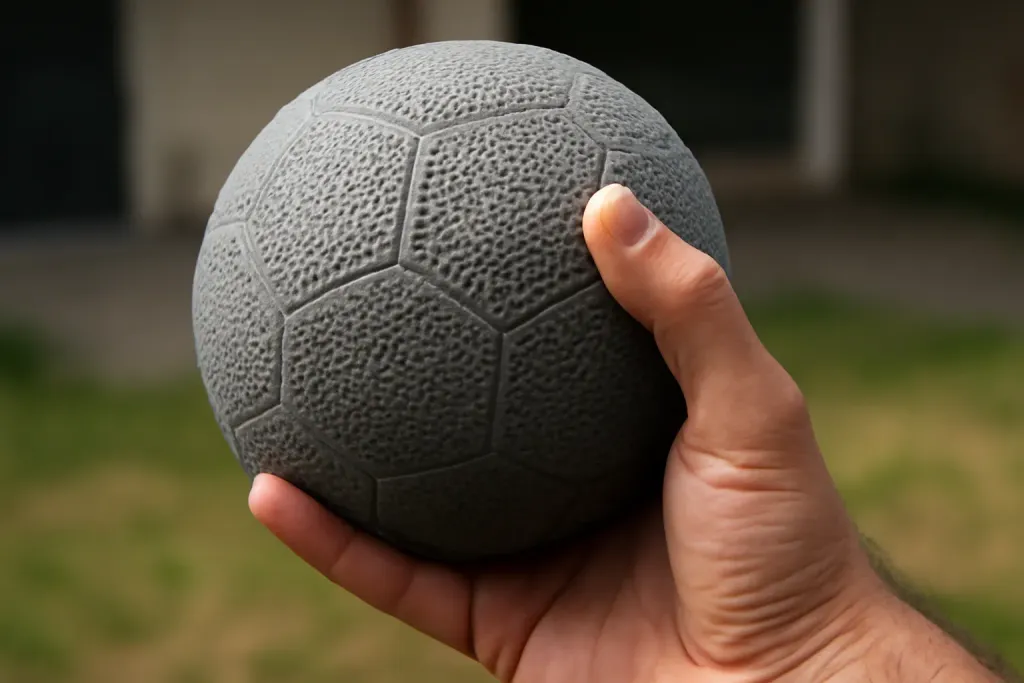
Most team handballs have a synthetic or leather-like outer surface with a slightly textured or pebbled finish designed to help players palm and one-hand the ball, which is central to how the sport is played. For beginners, a ball with a tackier, more pronounced texture can make early catching and throwing drills less frustrating, since the grip does some of the work while hand-eye coordination is still developing.
Foam or rubber training balls with a softer feel are also common in beginner and youth settings, since they're more forgiving on the hands and less intimidating for players just learning to catch a fast pass. These aren't a substitute for a standard handball once players are comfortable, but they can be a useful stepping stone in the first few sessions.
Weather and indoor humidity can also affect grip. Some handballs come with a grip-enhancing coating that can wear down over repeated use or frequent cleaning, so checking the surface periodically and replacing a ball once it's noticeably slicker than when new is a reasonable maintenance habit for programs that use the same balls across many sessions. Wiping balls down after use, especially in humid gyms, also helps preserve the grip texture longer.
Indoor Gym Floor Considerations
Team handball is traditionally played indoors on a hard court surface, and the ball's bounce and grip behavior can differ depending on floor type. A gym floor with some texture or a sport-specific finish generally gives better traction for both footwork and ball control than a very smooth or waxed surface, where the ball can skid unpredictably during dribbling or bounce passes.
For beginner sessions in a shared gym space, it's worth checking that the floor is clean and dry before play, since moisture or dust can make catching a fast-thrown ball more difficult and increase the chance of a slip. Many PE programs also mark off a smaller practice area for first-time players so the group can focus on core skills like passing and catching without needing full-court space right away.
Because handball involves dribbling similar to basketball along with quick directional changes, the same floor that works well for one sport generally suits the other. If your gym doubles as a space for multiple activities, checking that court lines and markings aren't confusing for new handball players can help keep beginner sessions organized, especially if you're using cones or tape to mark a temporary practice zone.
Browse our recommended gear
Our featured picks refresh periodically. While we update them, our editorial guides can help you find the right gear.
See our guidesIntroducing the Sport to Mixed Groups
Because team handball combines running, passing, and shooting, PE teachers and volunteer coaches often introduce it gradually to mixed-age or mixed-skill groups. Starting with stationary passing drills before adding movement, and pairing more experienced players with beginners during small-sided games, are common ways to keep everyone engaged without the pace outrunning newer players' skills.
For younger or first-time groups, adult supervision and clear spacing between players during throwing and shooting drills is a sensible baseline, particularly when balls are being thrown at speed toward a goal. Keeping group sizes manageable and using appropriately sized, easy-to-grip balls for the youngest participants helps sessions stay both safe and fun rather than overwhelming. If you're also outfitting a broader PE or rec program, our guide to portable practice gear for volunteer coaches and PE teachers covers general kit-building basics.
Simplified rules are common in beginner and school settings, such as reducing the number of steps allowed before a pass or removing full-contact defense to keep the focus on ball skills rather than physical play. Many teachers also rotate players through different positions early on so everyone gets a feel for passing, shooting, and goalkeeping before settling into a preferred role, which tends to build broader skills and keeps sessions varied for a mixed-ability group.
Care and Storage Between Sessions
Team handball balls are typically treated with a grip-enhancing surface that can wear down with rough storage or repeated contact with abrasive outdoor surfaces. Storing the ball indoors rather than leaving it outside between uses helps preserve that grip texture longer, which matters more for this sport than for smoother balls like basketballs.
A quick pressure check before each session, using a general-purpose ball pump and gauge, keeps the ball's bounce and feel consistent from one practice to the next.
Pairing a Ball With Age-Appropriate Goals
Introducing team handball at a recreational or PE level often works best with modest, improvised goals rather than full-size regulation ones, especially for younger or mixed-skill groups still learning the basic rules. A smaller goal keeps the game approachable while players build comfort with passing and basic positioning.
As players get more comfortable with the ball and general gameplay, gradually moving toward more standard goal sizes and spacing is a reasonable progression that doesn't require any specialized coaching background to introduce.
Final Thoughts
Choosing the right team handball ball size for beginners comes down to matching the ball to hand size and age group, favoring a textured or slightly softer grip for new players, and being mindful of the indoor floor surface during practice. Starting smaller and building up as players gain confidence is a reliable approach for coaches and PE teachers alike.
If you're building out a broader collection of gear for a mixed-sport PE program or rec league, it's worth thinking about storage and transport alongside ball selection, since handballs, cones, and other equipment all need a home between sessions. Browse our Sport-Specific Buying Guides hub for more sizing guidance across other sports.