Overview
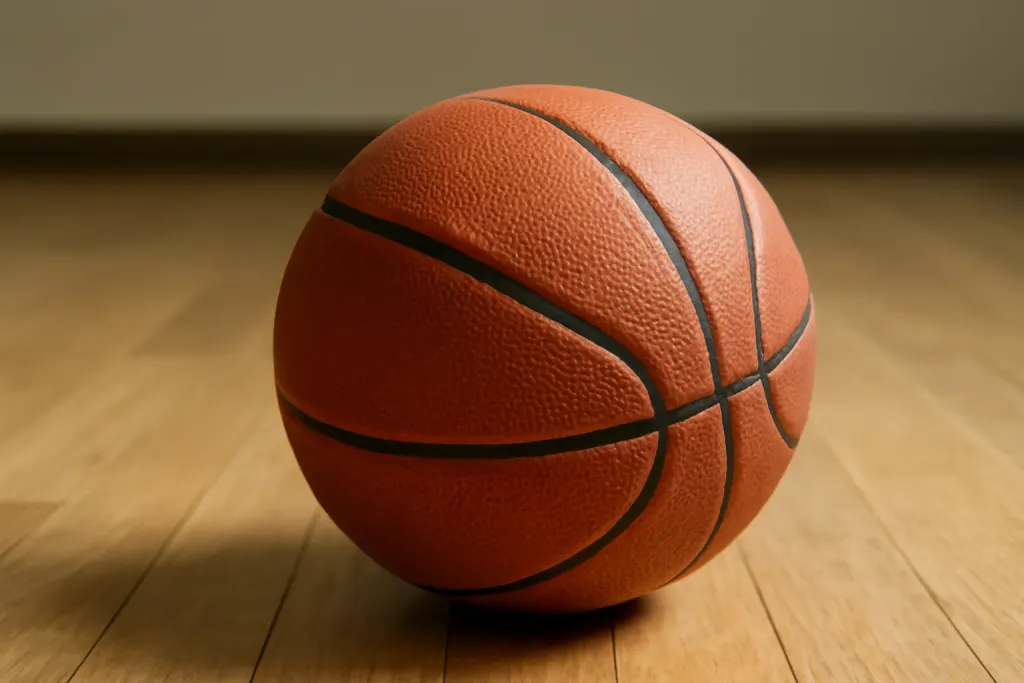
An indoor basketball dribbling trainer is typically a low-bounce, softer-covered ball built specifically for hardwood, carpet, or tile floors, designed to produce less impact noise and a more controlled bounce than a standard outdoor basketball. This makes indoor dribbling practice more realistic for apartments, condos, and homes with shared walls or floors, where a full-pressure outdoor ball can be loud and can also mark or scuff certain flooring. This guide covers how these training balls differ from a standard basketball, how floor surface affects both bounce and noise, how they pair with mini hoops, considerations for shared-wall households, and general tips for setting up a workable indoor practice space.
For kids especially, having a dedicated indoor ball removes one of the biggest obstacles to regular ball-handling practice: the need to go outside or find gym time. A quiet, low-bounce ball that can be used safely in a hallway, basement, or spare room means more frequent, shorter practice opportunities, which often matter more for building comfort with the ball than occasional longer outdoor sessions.
How Low-Bounce Balls Differ
A dedicated indoor training basketball usually differs from a standard ball in a few ways:
- Softer, lower-pressure construction that reduces bounce height and the sharp impact sound of a full-pressure ball hitting a hard floor.
- Smaller or lighter builds in some models, sized for younger players or tighter indoor spaces where a full regulation-size ball feels unwieldy.
- Textured or composite covers that grip well without the rougher, more abrasive texture used on some outdoor balls, which can be gentler on wood or laminate flooring.
The tradeoff is that a low-bounce ball won't feel or respond exactly like a standard basketball on an outdoor or gym court, so it's best thought of as a dedicated indoor tool rather than a full substitute — useful for dribbling and ball-handling repetition rather than game-speed shooting practice.
Some indoor trainers also use a slightly tackier surface material specifically to help with dribbling control at a lower bounce height, since a low-bounce ball naturally requires a bit more hand control to keep moving smoothly compared to a livelier outdoor ball. This can actually make certain ball-handling drills feel more demanding in a good way, even though the overall bounce is gentler.
Floor Surface Considerations
Floor type affects both how a ball bounces and how much noise it makes:
- Hardwood — offers a fairly consistent, predictable bounce, but also transmits the most impact sound to rooms below, which matters most in multi-story or shared-wall homes.
- Carpet — dampens sound significantly but also dampens the bounce itself, which can make dribbling feel sluggish; carpet works better for stationary ball-handling drills than continuous dribbling.
- Tile or concrete — similar to hardwood in bounce consistency but can be louder and harder on a ball's cover over repeated use.
If noise is the main concern, a low-bounce ball on carpet or a thin rubber mat is usually the quietest combination, even though it sacrifices some bounce realism.
A mid-ground option that some families use is a low-pile area rug over hardwood or tile, which cuts down on both noise and floor wear without dampening the bounce as much as thicker carpet. It's also worth considering the time of day for indoor sessions — even a quiet ball still produces some impact noise, so scheduling practice for reasonable daytime hours is a simple courtesy in multi-unit housing.
Mini Hoop Pairings
Many indoor training balls are sized to pair with a mini or over-the-door hoop, giving kids a complete small-space setup for shooting and dribbling practice. When pairing a ball with a mini hoop, matching the ball's size to the hoop's rim diameter matters more than matching brands — an oversized ball won't pass through a smaller mini rim cleanly, while an undersized ball can rattle around too loosely. Checking the hoop manufacturer's recommended ball size before buying a training ball separately avoids a mismatch.
Mounting location matters too. An over-the-door hoop works well for shooting but usually isn't intended for hard dunking or hanging on the rim, since the mounting hardware is designed for a lighter-weight mini ball rather than sustained heavy impact. Placing the hoop away from light fixtures, mirrors, and windows gives a bit of margin for off-target shots, which are common while a child is still developing aim and touch.
Apartment and Shared-Wall Households
For anyone in an apartment, condo, or a home with rooms below a play area, a few practical habits reduce noise complaints beyond just choosing a low-bounce ball:
- Practice during reasonable daytime hours rather than early morning or late evening.
- Add a rubber mat or a few interlocking foam floor tiles under the practice area, which cuts down on both bounce noise and floor wear.
- Favor stationary dribbling and ball-handling drills over full-court-style movement, since continuous footwork adds its own noise on top of the ball itself.
- Check building or HOA rules if you're unsure whether indoor ball play is restricted in shared-wall units.
A quick conversation with neighbors before starting a regular indoor practice routine can also go a long way. Letting them know roughly when and how long sessions will run, and adjusting if it turns out to be more disruptive than expected, tends to prevent bigger friction down the road than simply hoping a quieter ball solves everything on its own.
Browse our recommended gear
Our featured picks refresh periodically. While we update them, our editorial guides can help you find the right gear.
See our guidesSetting Up a Practice Space
A workable indoor dribbling space doesn't need to be large. A cleared area roughly the size of a small rug — enough room to move side to side without hitting furniture — is sufficient for most stationary and control-focused drills. Keep breakable items, lamps, and electronics out of the immediate practice zone, and make sure the floor is dry and clear of rugs with curled edges that could cause a trip. For younger kids, a parent should check the setup before independent practice begins, both for safety and to confirm the ball and hoop pairing is appropriate for their size.
Lighting matters more than people expect — a dim hallway or basement corner makes it harder to track the ball and can lead to more missed catches or awkward falls. A well-lit space, even a modest one, tends to be safer and more enjoyable to practice in than a larger but dimmer area.
Noise Considerations Beyond the Ball
A low-bounce ball reduces the loudest, most repetitive noise of indoor dribbling, but it isn't the only source of sound during practice -- footwork, a mini hoop's backboard, and incidental bumps against furniture all contribute. Choosing a practice spot away from shared walls and setting reasonable time limits during quiet hours (early morning, late evening) helps more than the ball choice alone.
A thin mat or rug under the practice area can further reduce impact noise transmitted through the floor, which matters most in apartments or multi-story homes where downstairs neighbors are affected by hard-floor bounce even with a quieter ball.
Combining a Trainer With Simple Drills
A low-bounce training ball works well for basic stationary dribbling drills -- alternating hands, dribbling low to the floor, or simple figure-eight patterns between the legs -- that don't require much space. These are casual coordination exercises appropriate for recreational players of any age, not a formal skills program.
Pairing the ball with a small set of markers or household objects as spacing guides can add some structure to a practice session without needing a full cone set. As comfort grows, moving practice to a garage or driveway with more room allows for simple movement-based dribbling that isn't practical indoors.
Final Thoughts
A low-bounce indoor training basketball, matched to the right floor surface and paired with an appropriately sized mini hoop, makes dribbling practice realistic and considerably quieter for apartments and shared-wall homes. Add a mat under the play area if noise is a concern, and keep the space clear and supervised for younger players. Explore our basketball practice equipment hub for related gear, including our guide to basketball return nets and driveway practice aids for outdoor sessions.