Overview
Getting racquetball goggles and gloves to fit properly is mostly about strap adjustment, lens coverage, and glove sizing rather than picking a specific brand or model. Enclosed-court racquet sports involve a small, fast-moving ball and swinging racquets in a confined space, so many players choose to wear protective eyewear, and a grip glove is a common comfort accessory for the racquet hand. Neither item is a guarantee against injury, but a well-fitted pair of each tends to be more comfortable and easier to forget you're wearing during a match.
This guide covers what commonly recommended eyewear looks like, how to adjust the strap and check lens coverage, how glove material and sizing affect grip, how to break in a new glove, and some general etiquette that applies on enclosed courts. Whether you're picking up racquetball for the first time or replacing worn-out gear, the same basic fit principles apply regardless of which enclosed-court sport you play.
Why Eyewear Is Common on Enclosed Courts
Racquetball, squash, and similar enclosed-court sports involve a ball that moves quickly in a small, walled space, along with racquets swung at close range. Because of this, protective eyewear designed for racquet sports is widely and commonly used by recreational and club players alike. Many facilities and leagues recommend or require eyewear on their courts, so it's worth checking local rules at the facility you play in.
Racquet-sport eyewear is typically built differently from everyday sunglasses or safety glasses, with wraparound lenses and shatter-resistant materials suited to close-range impacts. It's presented here as commonly recommended protective gear for enclosed-court play, not as something that eliminates risk entirely.
Because the court's four walls keep the ball and racquets in constant play near other people, the pace of enclosed-court sports can feel faster than open-court alternatives like tennis. This is part of why eyewear is such a common sight on these courts even at casual, non-competitive levels, and why many clubs post reminders or house rules about wearing it before stepping on court.
Strap Adjustment and Lens Coverage
A comfortable fit starts with the strap. Most racquet-sport goggles use an elastic band that should sit snugly around the back of the head without pinching or sliding during quick movements. Adjusting the strap so the frame stays level and close to the face, without pressing hard enough to leave marks, is usually the goal. If the goggles fog easily or slide down your nose during play, a looser or tighter adjustment can sometimes help, along with checking that any nose pads are seated correctly.
Lens coverage matters as much as the strap. Look for a frame that wraps around the sides of the eyes rather than leaving gaps, since side coverage is a large part of what these goggles are designed for. If you wear prescription glasses, some racquet-sport eyewear is designed to fit over glasses or accepts prescription inserts, which is worth checking before you buy.
It's worth doing a quick movement test before your first match: put the goggles on, adjust the strap, and simulate a few lunges or quick head turns to see whether the frame stays put. Goggles that shift or need constant readjustment during play are more likely to be pushed aside mid-game, which defeats the purpose of wearing them in the first place. Ventilation is another detail worth checking, since a frame with small air channels or gaps can reduce fogging during longer, more intense rallies compared with a fully sealed design.
Glove Grip Material and Sizing
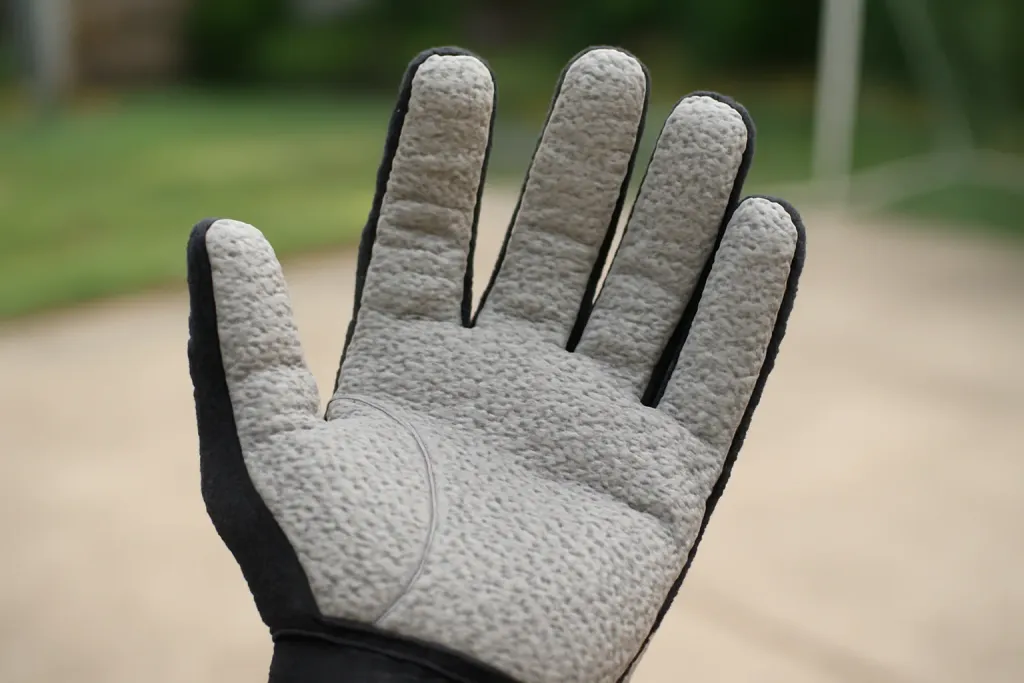
Racquetball gloves are typically made from thin leather, synthetic leather, or a perforated mesh-and-leather combination, chosen to balance grip with breathability. Leather palms tend to offer a tacky, firm grip and mold to the hand over time, while synthetic materials are often more consistent in humid conditions and easier to clean. Perforated panels on the back of the hand help with airflow during longer matches.
Sizing is usually based on hand circumference measured around the palm, just below the knuckles, matched against the manufacturer's size chart. A glove that's too loose will bunch up inside the palm and interfere with racquet control, while one that's too tight can restrict finger movement and cause discomfort over a long session. When trying on a glove, making a fist and mimicking a swing motion is a good way to check for pinch points before committing to a size.
Wrist closures also vary between glove models, with hook-and-loop straps being the most common for their adjustability. A snug but not overly tight wrist closure keeps the glove from sliding during play, which matters more in racquet sports than it might in other activities, since a loose glove can shift at exactly the moment you need a firm grip for a return shot. Some players prefer a slightly shorter cuff for more wrist mobility, while others like a longer cuff for added coverage and stability.
Breaking In New Gloves
New gloves, especially leather ones, often feel stiff for the first several sessions. A short break-in period of light play, or simply wearing the glove around the house while gripping a racquet handle, can help the material soften and shape to your hand. Some players lightly dampen a leather glove before an early session to speed up molding, though this can also make the glove wear faster, so it's a trade-off worth considering rather than a universal recommendation.
Keeping a spare glove in rotation is common among frequent players, since letting a glove fully dry out between sessions helps it last longer and keeps the grip from becoming slick with sweat.
Air-drying gloves away from direct heat is generally gentler on the material than a heater or dryer, which can crack leather or warp synthetic palms over time. Storing gloves flat, rather than balled up in the bottom of a bag, also helps them keep their shape between sessions. A glove that's started to feel slick or has visibly worn palm padding is usually a sign it's due for replacement, since grip performance tends to decline gradually rather than failing all at once.
Browse our recommended gear
Our featured picks refresh periodically. While we update them, our editorial guides can help you find the right gear.
See our guidesGeneral Court Safety and Etiquette
Beyond personal gear, enclosed-court sports have some shared etiquette worth knowing. Calling a clear "hinder" or stopping play when a ball or racquet swing could interfere with an opponent is standard practice, as is giving your opponent enough room to take a full swing without contact. Checking your grip and glove before a match, rather than adjusting mid-rally, also helps keep play moving safely.
Warming up before a match, including a few practice swings and some light movement around the court, helps players get a feel for the space and their partner's positioning before the pace picks up. For newer players sharing a court with more experienced opponents, communicating clearly about pace and taking a moment between points if something feels off is a reasonable way to keep the session comfortable for everyone involved.
None of this eliminates the physical nature of a fast-paced enclosed-court sport, and no piece of gear removes all risk. Treating goggles and gloves as commonly used, sensible additions to your kit, alongside good court awareness, is a reasonable way to approach recreational play. For related gear, see our guide to team handball ball sizes for beginners if you're outfitting a broader collection of court sports equipment.
Signs Eyewear or Gloves Need Replacing
Protective eyewear with visible scratches across the lens, a cracked frame, or a strap that's lost its elasticity should be replaced rather than kept in rotation, since all three reduce how reliably the eyewear stays in place and provides clear vision during fast play. A quick visual check before each session is a reasonable habit.
Gloves showing thinning or worn palm material, or a wrist closure that no longer holds snugly, are similarly due for replacement -- worn grip material affects racquet control more than most players expect until it's pointed out directly.
Care and Cleaning Between Sessions
Eyewear lenses are prone to fogging and scratching if wiped with a rough cloth or stored loosely in a bag with other gear. A microfiber cloth and a dedicated case (even a simple pouch) extend usable life noticeably compared to tossing goggles in with the rest of a gym bag.
Gloves benefit from air-drying fully between sessions rather than being sealed in a bag while still damp, which helps prevent the material from breaking down or developing odor over a season of regular use.
Final Thoughts
Fit matters more than brand when it comes to racquetball goggles and gloves. A snug, level strap with full side coverage on the eyewear, and a glove sized to your hand with a grip material that suits your playing conditions, will generally serve recreational players well. Taking the time to adjust both pieces of gear before your first match, rather than mid-session, makes for a more comfortable and less distracting experience on court.
If you're new to enclosed-court sports, borrowing or trying a few different sizes at a local club before buying your own set can help you narrow down what fits best, since strap tension and glove sizing are both a matter of individual preference within a general range. Visit our Protective Equipment hub to compare more options for enclosed-court and racquet sports.